(PDF) Parvovirus B19 Infection in Pregnancy
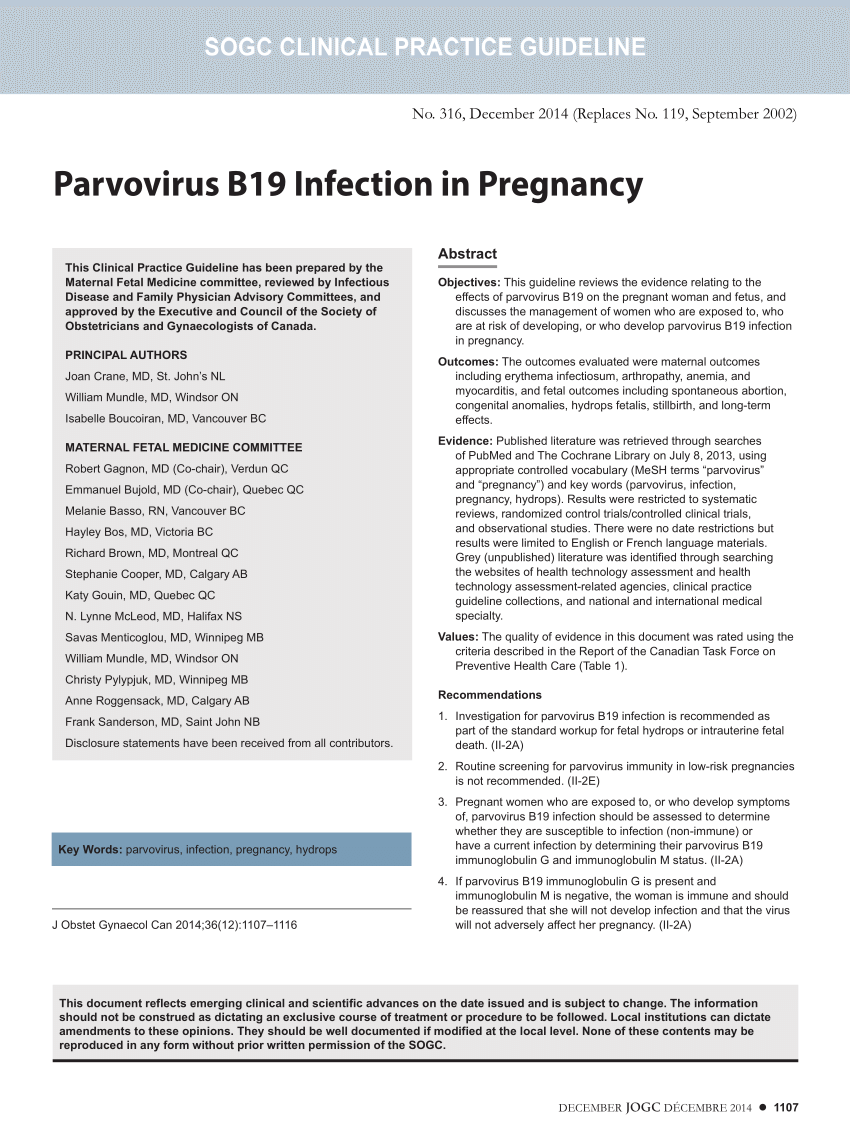
Communément appelé cinquième maladie, le mégalérythème épidémique, ou érythème infectieux, est une infection virale causée par le parvovirus humain B19.
Parvovirus B19 and Pregnant Women A Bibliographic Review

Laboratory Studies. Most patients with parvovirus B19 (B19V) infection do not require laboratory studies because symptoms are mild and the illness resolves over 5-7 days. Parvovirus serology (anti-parvovirus B19 immunoglobulin M [IgM] and immunoglobulin G [IgG] antibodies) can be determined using enzyme-linked immunoassay (ELISA.
Parvovirus B19 Case Study Immunopaedia
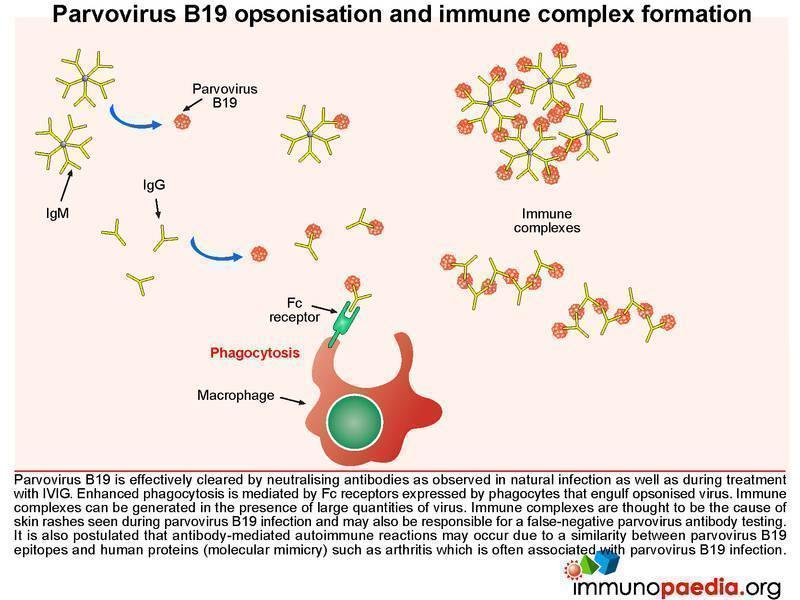
Une sérologie permet d'effectuer la r echerche d'une exposition à un agent pathogène, son état d'immunisation et potentiellement son état de protection. " En fonction du type profil d'immunoglobines trouvée (IgG et/ou IgM) et du type de sérologie, on peut savoir si l'infection est aigüe (donc en cours) ou ancienne " explique le Dr Kuentz.
Distribution of parvovirus B19 infection in relation to clinical... Download Scientific Diagram

If both IgG and IgM are positive, then this indicates recent infection within 7-120 days and the fetus is at risk of B19 transmission. If IgG results are negative with positive IgM results then that indicates acute infection with no previous antibodies against B19 and the fetus is at greater risk as the mother is not immune.
Parvovirus B19 ViraStripe® IgG, IgM

Minimum Volume. 0.5 mL serum. Additional Information. The prevalence of parvovirus B19 IgG antibodies increases with age. The age-specific prevalence of antibodies to parvovirus is 2-9% of children under 5 years, 15% to 35% in children 5 to 18 years of age, and 30% to 60% in adults (19 years or older). Test sent to Mayo Medical Laboratories.
Human parvovirus B19 general considerations and impact on patients with sicklecell disease and

The parvovirus test is performed to examine the presence of parvovirus 19. This virus is one of the primary causes of a common disease in children known as fifth disease (erythema infectiosum.
Figure 1 from [Parvovirus B19 infection and pregnancy]. Semantic Scholar

In pregnant women exposed to parvovirus B19, obtain IgG and IgM serology as soon as possible following exposure - Negative IgG and IgM results indicate that the mother is not immune and that no evidence of acute infection is noted. In this case, repeat the tests in 3 weeks. In patients with clinically significant anemia or transient aplastic.
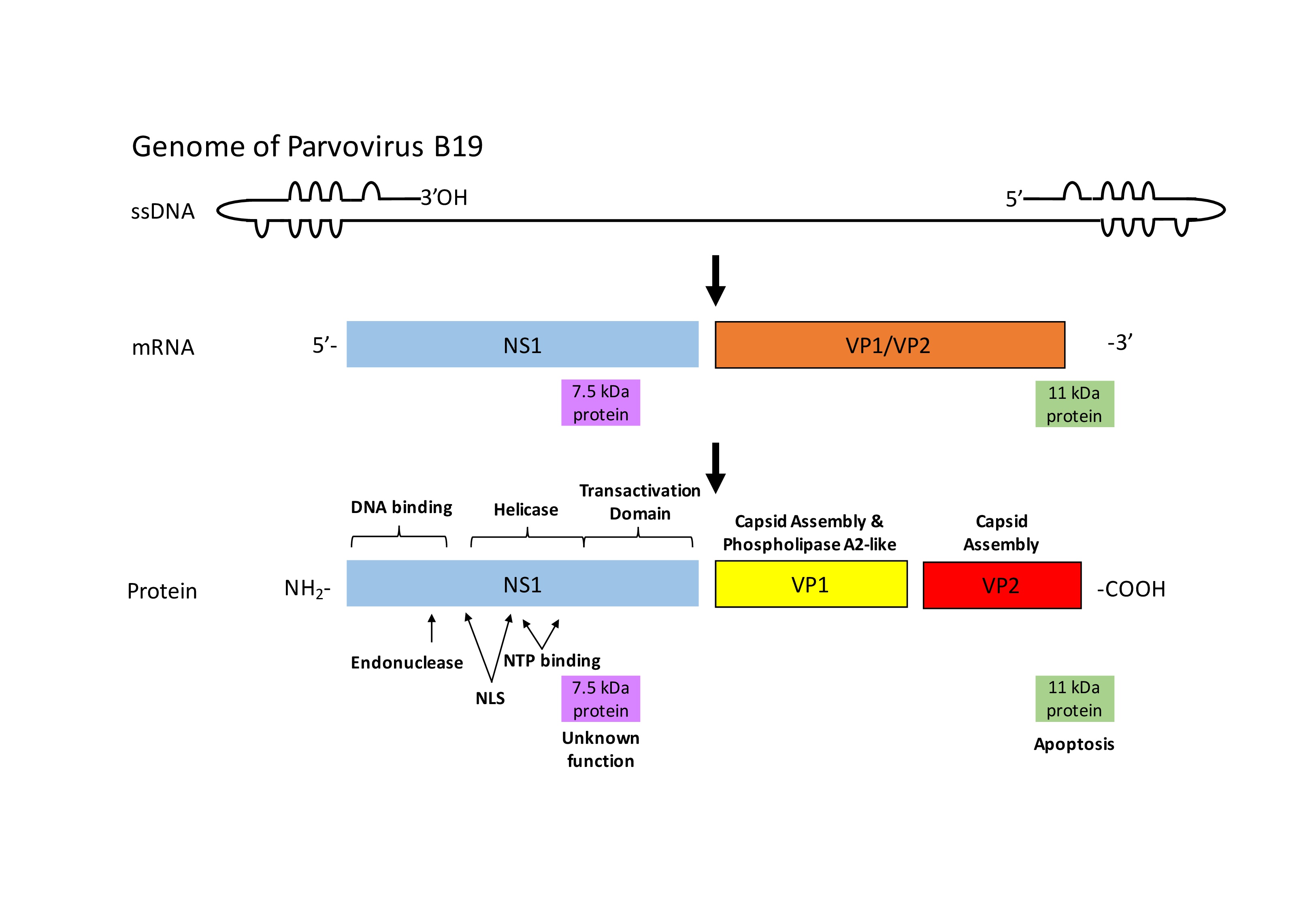
Schematic representation of the genome of parvovirus B19 with the... Download HighResolution

Parvovirus B19 (B19V) is a member of the family Parvoviridae, genus Erythrovirus.B19V-specific IgG and IgM react differently against conformational and linear epitopes of VP1 and VP2 antigens, leading to the development of IgG avidity and epitope type specificity (ETS) enzyme immunoassays (EIAs) for distinguishing past from recent infection.
Parvovirus Physician Cancer Therapy Advisor

The prevalence of parvovirus B19 IgG antibodies increases with age. The age-specific prevalence of antibodies to parvovirus is 2-9% of children under 5 years, 15-35% in children 5 to 18 years of age, and 30-60% in adults (19 years or older).. Likely non-specific false positive IgM reactivity.
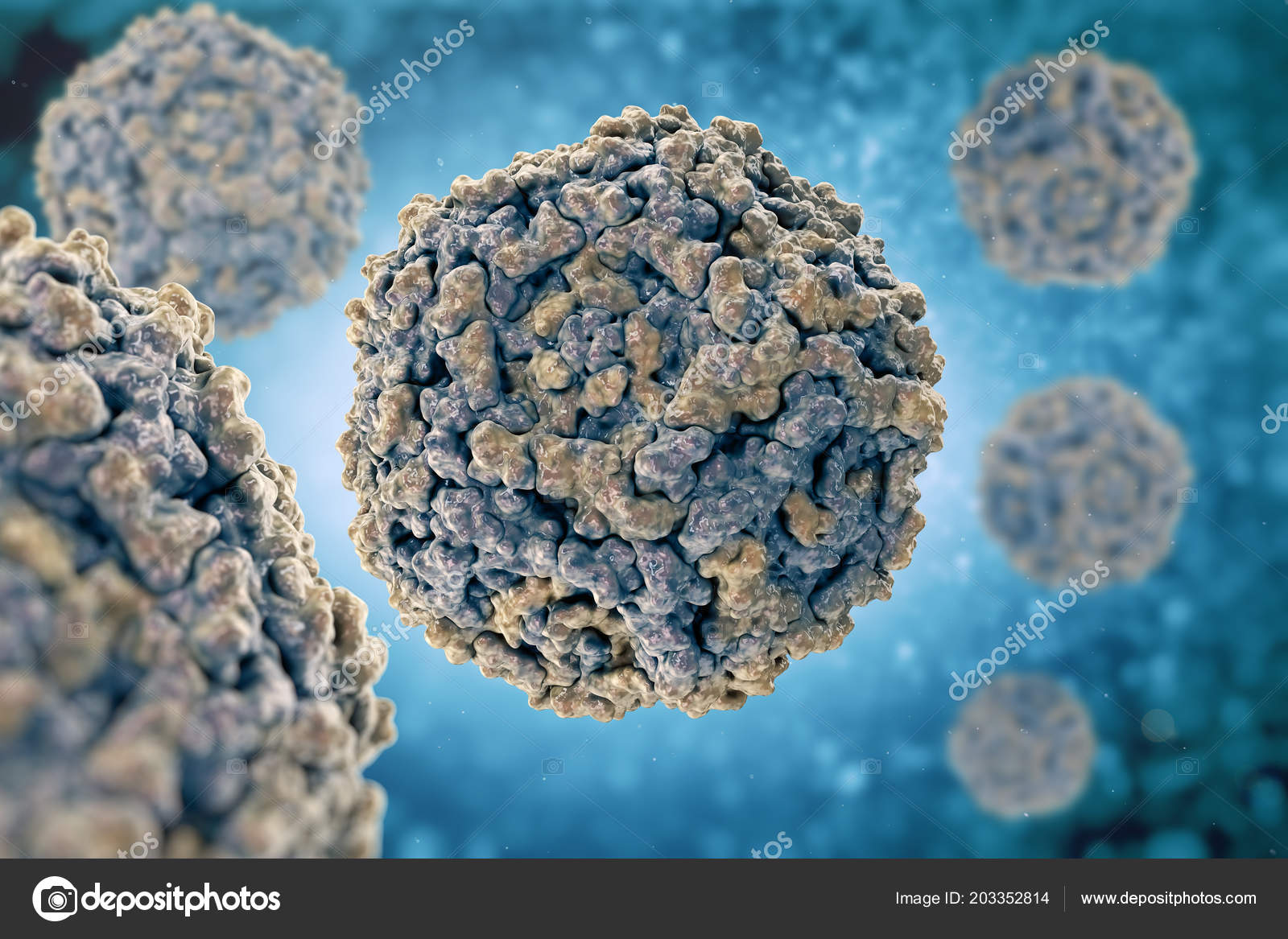
Parvovirus B19 Structure Human Parvovirus B19 B19 Virus Pdb 1S58 — Stock Photo © vitstudio
Le test parvovirus B19 IgG peut être prescrit accompagné du test parvovirus B19 IgM. Si les IgG et IgM sont positifs, il est possible que la personne testée soit en infection active ou ait eu une infection récente au parvovirus B19. Si seulement les IgM sont positifs, l'infection est possiblement en cours de développement.
Biologie médicale État des connaissances COVID19 Biopyrénées

Le parvovirus B19 est virus à ADN monocaténaire qui entraîne une suppression transitoire de l'érythropoïèse qui est légère et asymptomatique, sauf chez l'enfant qui présente des hémoglobinopathies sous-jacentes (p. ex., une drépanocytose) ou d'autres troubles des globules rouges (p. ex., une sphérocytose héréditaire) et qui peuvent provoquer des crises aplasiques transitoires.
Parvovirus B19 symptômes et traitements
Background: Human Parvovirus B19 (B19V) is a DNA virus, transmitted through respiratory secretions, hand-to-mouth-contact, blood transfusion and trans-placental transfer.It causes high mortality and morbidity in pregnant women, thus contributing to poor maternal and child health. B19V has been neglected due to dearth of epidemiological data.
VirusHost Interactions of Enteroviruses and Parvovirus B19 in Myocarditis
Parvovirus B19. Parvovirus B19 is part of a family of viruses that can cause infection. Most parvoviruses infect animals, such as cats and dogs. People cannot get infected with these parvoviruses. Dogs and cats can get vaccinated to protect them from parvoviruses that commonly affect them. Parvovirus B19 only infects people.
The structure of human parvovirus B19 PNAS

Positive for IgM (irrespective of the IgG result), this suggests recent infection with parvovirus B19, and the diagnosis is confirmed by testing an antenatal booking blood sample or a repeat blood test after 7-10 days. Seek specialist advice on any additional testing needed. Rubella infection (if the woman is not known to be immune).
What is PARVOVIRUS B19 ANTIBODIES PANEL IgG & IgM Test

The virus. B19V, a member of the Parvoviridae family, Parvovirinae subfamily, Erythroparvovirus genus, and Primate erythroparvovirus 1 species 10, is a small non-enveloped DNA virus, discovered in 1975 by Yvonne Cossart in the blood of a healthy blood donor 11.The name parvovirus originates from the Latin word parvum, which means small.In fact, parvoviruses are among the smallest known viruses.
Risk Factors for Parvovirus B19 Infection in Pregnancy Dermatology JAMA The JAMA Network

Parvovirus B19 Antibodies, IgG and IgM, Serum. Serologic detection of recent or past parvovirus B19 infection. This assay may be used to determine the serostatus of patients at risk for infection with parvovirus B19. Alongside clinical evaluation and other laboratory findings, results may be used to determine if the patient has recent or past.
.